

Apprenticeship in Scholarly Knowledge Production: The Student Editorial Committee
The Caribbean Journal of Social Work (CJSW) is a regional peer-reviewed academic journal. As Editor of the journal, I occupy a position at the intersection of regional knowledge production and graduate social work education. The Student Editorial Committee (SEC) was developed from that position to create a structured opportunity for graduate students to participate directly in the processes through which scholarly knowledge from the region and the diaspora is reviewed, refined, and disseminated.
Graduate social work programmes emphasise research training and academic writing, yet students rarely encounter the processes that determine how knowledge enters and circulates within scholarly communities. This gap matters. Social workers who understand how knowledge is produced, evaluated, and legitimised are better equipped to contribute to it, to challenge it, and to advocate for the inclusion of Caribbean and Global South perspectives within regional and international scholarship.
The SEC responds to this gap by integrating experiential learning into research education through structured apprenticeship in a regionally significant academic journal.
Apprenticeship in Scholarly Knowledge Production
-
The innovation of the SEC lies in apprenticing students into the actual practices of scholarly knowledge production. Students are not simulating editorial work. They are participating in it under faculty mentorship, working on manuscripts that will enter the scholarly record.
Students begin with a structured orientation addressing the architecture of scholarly journals, editorial responsibilities, and the ethical dimensions of peer review, including questions of power, representation, and whose knowledge is centred in regional scholarship.
The SEC has two primary components:
Technical Editing - General Papers Section and Special Issue Section (Climate Change and Adaptation)
After the completion of the Double Blind Peer Review process, students review accepted manuscripts for clarity, structure, and adherence to the journal's guidelines. Their responsibilities include:correcting grammar, spelling, and sentence structure
checking APA 7 citation and reference formatting
verifying correspondence between in-text citations and reference lists
ensuring consistency of headings, abstracts, keywords, tables, and figures
Students are explicitly trained to recognise the boundary between technical editing and content evaluation, and to escalate concerns related to argumentation, methodology, or ethics to the editorial team. They are also trained in professional commenting practices and conflict of interest protocols, ensuring that their engagement reflects both technical competence and ethical responsibility.
Special Student Section
The SEC also leads the development of a dedicated Student Section within the journal. Students contribute in two formats:analytically grounded think-pieces that identify regional gaps and propose directions for practice
edited interview series engaging practitioners, scholars, and community actors in substantive dialogue
The committee includes students from multiple Caribbean institutions and the Diaspora, creating a cross-institutional scholarly community. This structure extends learning beyond a single classroom and situates students within a regional intellectual network.
-
This initiative enhances student learning by providing direct engagement with the processes of scholarly knowledge production.
Students develop:
practical competence in manuscript editing and scholarly communication
deeper research literacy through engagement with real academic writing
the ability to construct clear, professional, and constructive feedback
an understanding of the ethical responsibilities involved in academic publishing
confidence as emerging researchers and contributors to Caribbean scholarship
Importantly, students gain an insider understanding of how knowledge is evaluated and disseminated. This strengthens both their own academic writing and their ability to engage critically with the literature in their field.
The initiative also shifts how students understand their role within the academy. Rather than positioning them solely as learners, it situates them as active contributors to the intellectual life of the region.
-
The Student Editorial Committee model is transferable across disciplines where faculty are engaged in editorial work or knowledge production.
The structural requirements are minimal:
faculty mentorship
access to appropriate manuscripts
a commitment to treating students as capable of meaningful scholarly responsibility
The underlying principle, that students learn the practices of knowledge production through participation rather than observation, is applicable across fields including education, public health, sociology, nursing, and psychology.
This model demonstrates how existing academic roles can be leveraged to create meaningful learning opportunities that bridge teaching, research, and professional formation.
Student Reflection Series
I view Dr. Rogers as a visionary educational leader who values the contribution of students towards the co-creation of learning opportunities. This has been evident from the supervision I have received from her thus far as a student editor on the student section of the Caribbean Journal of Social Work. As editor of this academic journal, Dr. Rogers showed vision to consider using this platform to nurture student researchers – at the Masters and PhD level through mentorship and gentle, structured feedback toward building the multiple competencies required for supporting such a publication. She has provided a good balance of modeling the nature of the work required while scaffolding my learning from conceptualizing the call of for papers to details around all steps required to get the section to publication. This approach has demystified what can be a very daunting experience for students.
Mary Bastien, PhD Student (Social Work), UWI St. Augustine
Working under Dr. Rogers has been an incredibly enriching experience. As a member of the Jamaican diaspora studying in the United States, I have found it especially meaningful to engage with the perspective of a scholar based at the University of the West Indies and in Jamaica more broadly. This mentorship has deepened my understanding of how academia operates beyond Western contexts and has expanded the way I think about knowledge production and research. Dr. Rogers’s depth of knowledge and insight make this experience both intellectually stimulating and profoundly rewarding.
Aya Caballero M.A., PhD Student, School of Social Work, Virginia Commonwealth University
Meet the Editorial Team - Student Special Section, Caribbean Journal of Social Work - Volume 16.
-
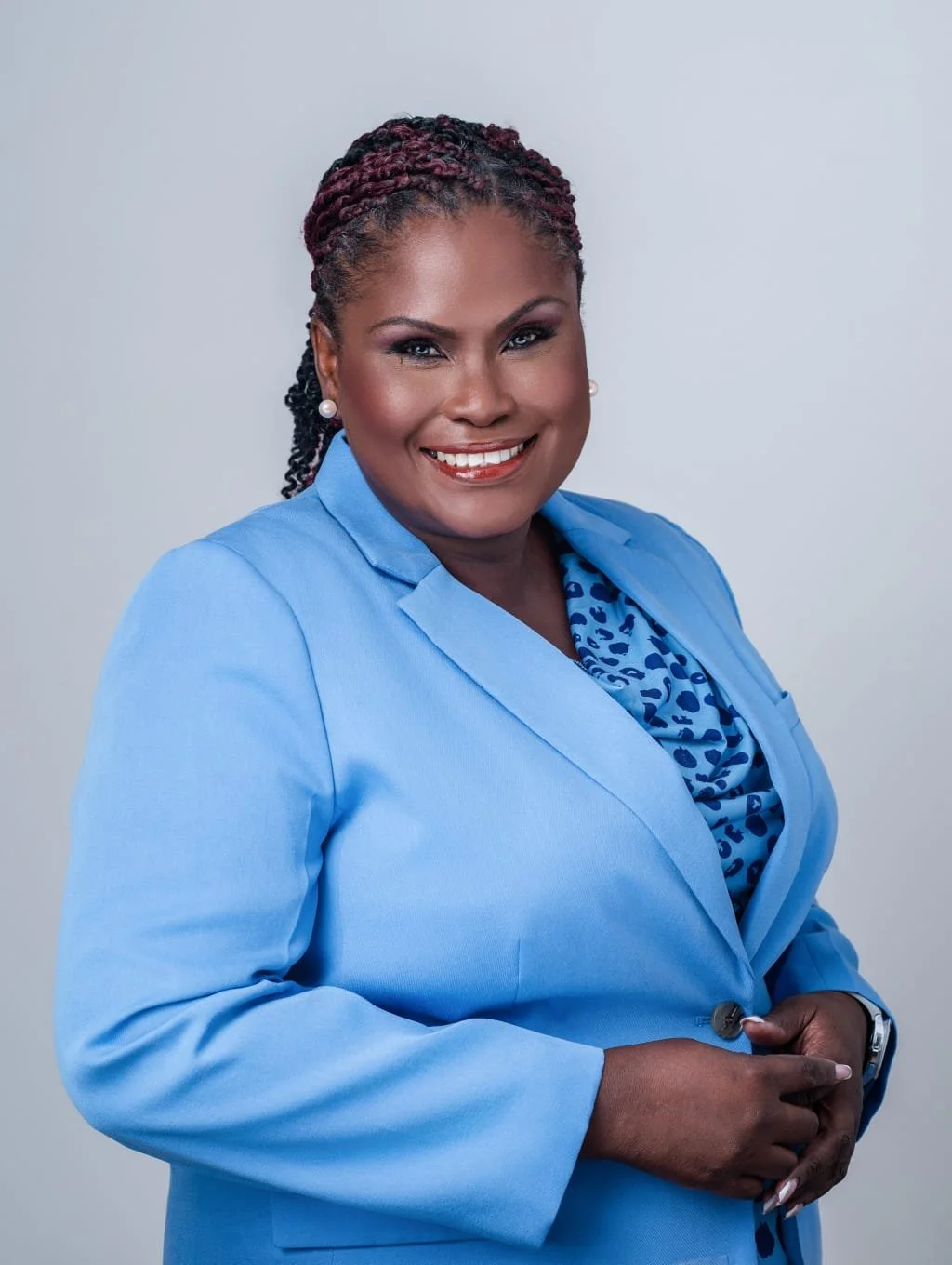
Mary Bastien - PhD Student, The UWI St Augustine
Student Editor
-
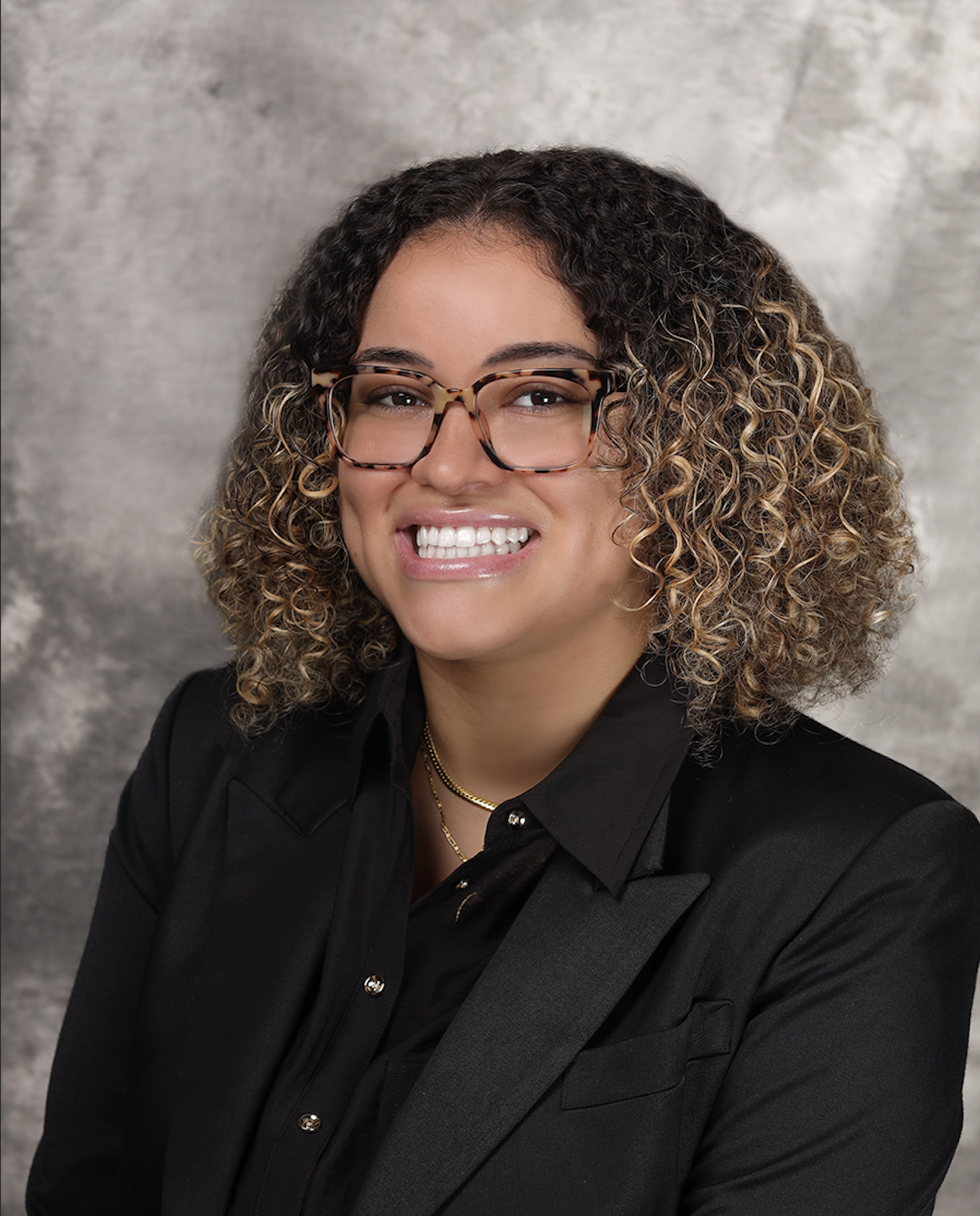
Aya Caballero M.A. PhD Student, School of Social Work Virginia Commonwealth University
Student Editor
-
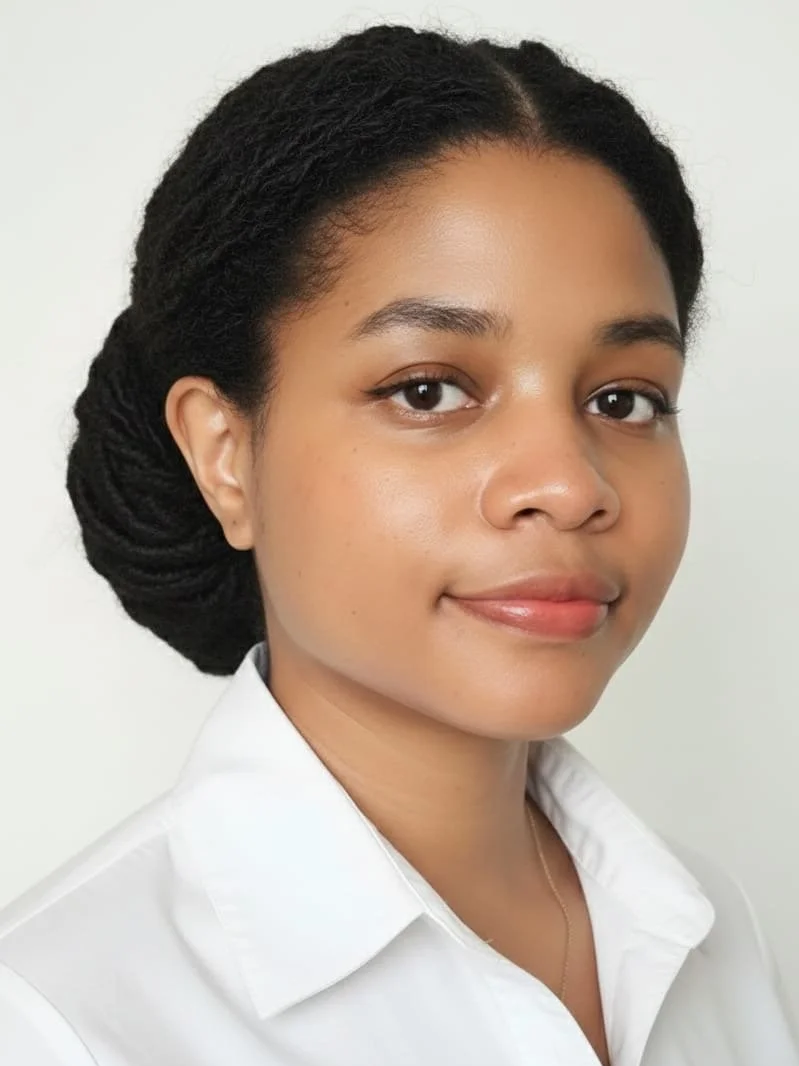
Justine Novelo, MSW Student, The UWI, Mona
Editorial Assistant and CJSW Social Media Manager
-
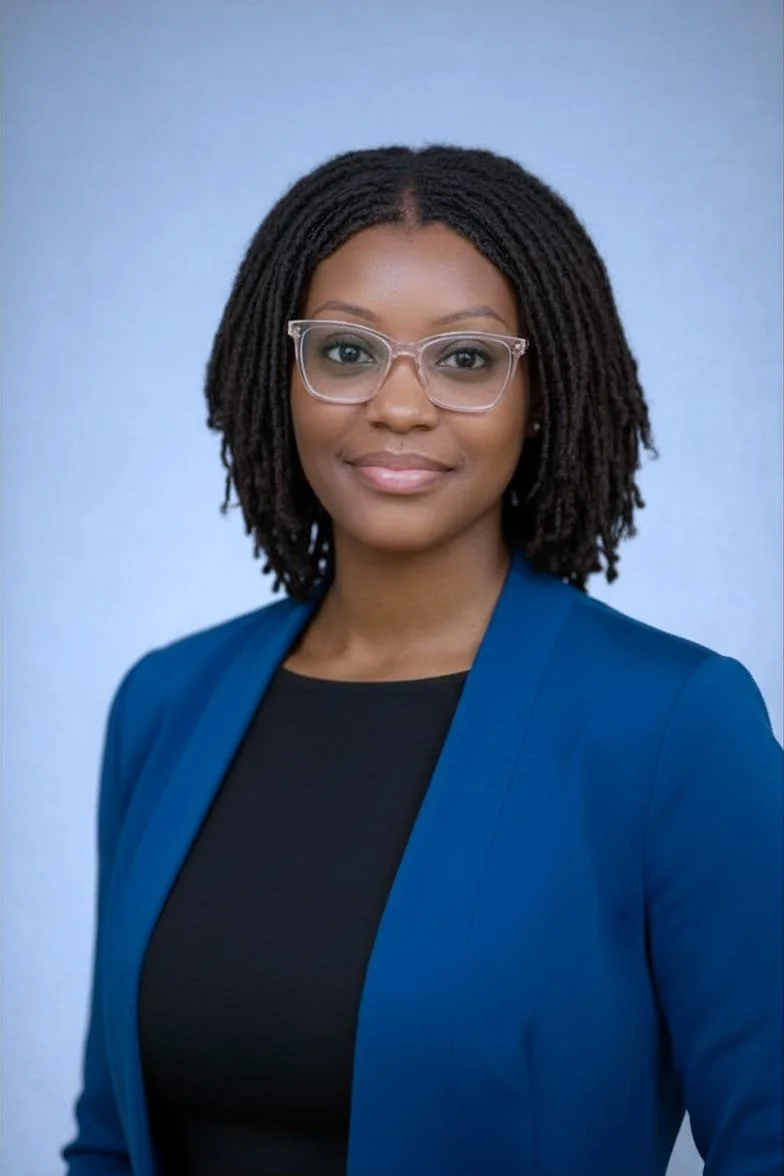
Natalia Stennett, MSW Student, The UWI, Mona
Editorial Assistant (Student Section, Climate Change Special Section & General papers)
Student Editorial Board Members
Justine Novelo, MSW student, The UWI Mona, Jamaica
Natalia Stennett, MSW student, The UWI Mona, Jamaica
Aya Caballero, PhD student, Virgina Commonwealth University, USA
Mary Bastien, PhD student, The UWI St. Augustine, Trinidad and Tobago
Tracey Edwards, MPhil student, The UWI Mona, Jamaica
Shanikee Pinnock-McGrowder, MPhil student, The UWI Mona, Jamaica
Crystal Oliver, MSW student, The UWI St. Augustine, Trinidad and Tobago
Nicole Martin, MPhil/PhD student, The UWI Mona, Jamaica
Tracy Ann Davis, MSW student, Jamaica Theological Seminary, Jamaica
Oriana M. Lezama, MSc student, The UWI St. Augustine, Trinidad and Tobago