
Saltwater Field Notes extends the work of Saltwater Reasonings into writing.
Some posts sit alongside specific episodes, staying with ideas that surfaced in conversation and required more time to settle. Others emerge between episodes as fieldnotes on method, care, pedagogy, and the everyday labour of knowledge-making. These reflections are places to pause, return, and think with what has been shared.
"It Has Been Two Minutes": How This Season Became Women's Reasonings
My mother is my most loyal Saltwater Reasonings follower. If I skip a Wednesday post, there is a message from her by midday: Tracie, where is the episode? And I know better than to leave that unanswered.
So about three episodes into Season 1, the phone rang. My mother.
I picked up.
No warm-up. No small talk.
Just one question: "Tracie, where are the men?"
Even my biggest supporter wanted to know when the balancing act would begin.
I did not originally imagine Season 1 as a season that would only feature women.
Grief as Refusal: the work came from somewhere
We opened the reasoning the way I often want Saltwater Reasonings to open: with a text that does not behave like an "icebreaker", but like a threshold. I read James Baldwin aloud, holding on to his insistence that after departure, what remains is invisible: memory, loss, love; "invisible chains" that hold the world together. Zaira met Baldwin with Junie Désil, a Haitian Canadian poet, offering a stanza that felt like a second door into the same room: strange inheritance, salt sea, racing rivers, umbilical centuries old, bones abridging oceans, triangulated passages.

Counting Sand, Walking Memory: Saltwater, Return, and the Ethics of Relation
In October 2024, while attending a conference, I visited the Elmina Castle, a slave fort on the Ghanaian coast.
As the conference participants rolled off the bus, there was a charge in the air, a kind of excitement that made something in me tighten. A friend on the trip chose to stay on the bus, opting out of entering the fort. I didn't want to stay. I needed to go in. But I also didn't want to participate in the slavery tourism all around me: the packaged experience, the rehearsed narration, the purchase of proximity to pain.

Small Talk as Threshold: Consent, Relationship & Research Practice
In research and professional settings, small talk is often treated as peripheral. Efficiency is prioritised, and moving quickly to questions is framed as respect for time.
In this post on Saltwater Field Notes, I reflect on small talk as something far more consequential: a threshold where consent, trust, and relationship begin to take shape.
Embracing Caribbean Knowledge: Liming, Ole Talk, and Research as Relationship
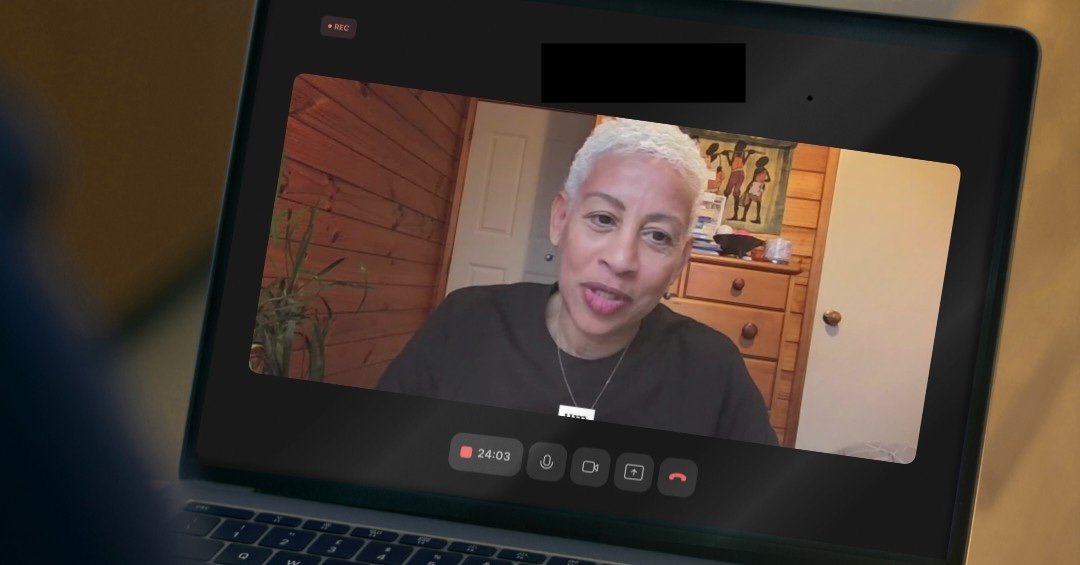
Embracing Caribbean Knowledge: Liming, Ole Talk, and Research as Relationship. Liming and ole talk shape how Caribbean communities have always made meaning together. In the second Saltwater Reasonings conversation, Camille Nakhid reminds us these everyday practices are rigorous research methodologies: grounded in trust, cultural continuity, and the deep ease of speaking as we already do.

Reasoning as Relation: Opening Saltwater Reasonings with Yentyl Williams
“The body is evidence.”
That phrase, offered early in my conversation with legal scholar Yentyl Williams, has stayed with me. We were speaking about epistemic trust and the ways Caribbean people are often encouraged to doubt their own knowledge, histories, and bodily knowing. Her words named a refusal of that doubt.