Embracing Caribbean Knowledge: Liming, Ole Talk, and Research as Relationship
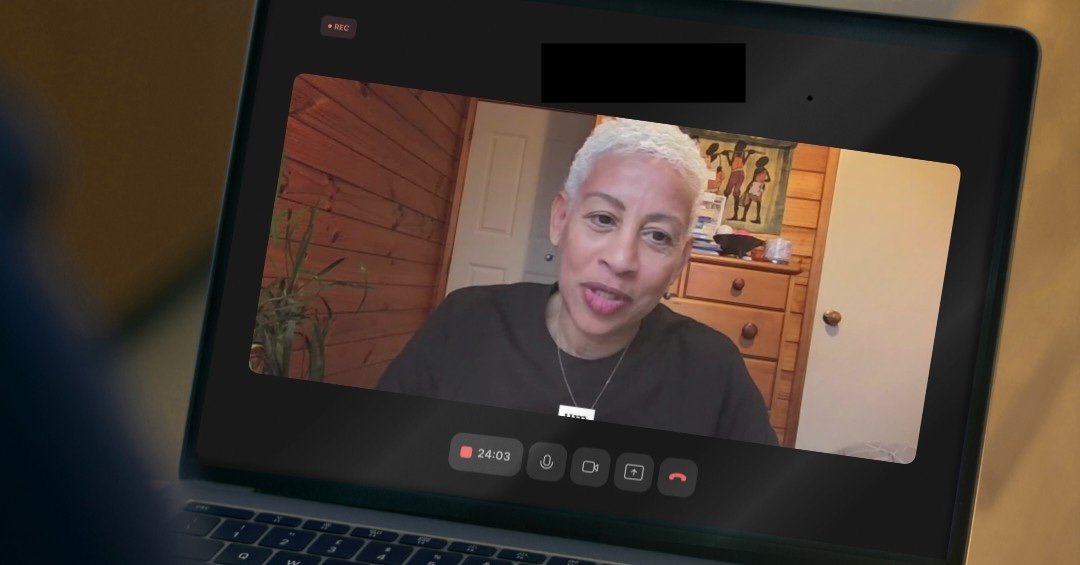
Dominant academic methodologies often privilege speed, extraction, and distance, leaving little room for culturally grounded ways of knowing. The second conversation of Saltwater Reasonings, with Camille Nakhid, returns us to practices that have long shaped Caribbean intellectual life. Liming and ole talk emerge in this conversation as rigorous, ethical, and relational modes of knowledge-making. This reflection sits with what that dialogue made clear: how we speak, where we speak, and with whom we speak are methodological commitments. They shape what becomes knowable, whose knowledge is recognised, and how care circulates within research practice.
Liming and Ole Talk as Ways of Knowing
Liming and ole talk are foundational practices of connection, reasoning, and collective meaning-making in Caribbean contexts. Camille describes liming as something that unfolds in relational spaces: verandas, yards, street corners, kitchens. These are spaces shaped by familiarity and shared rhythm, where conversation flows with ease and attentiveness. Such spaces support a different orientation to knowledge. Ideas surface through story, repetition, humour, disagreement, and return. Meaning emerges through relationship rather than performance.
Informal Conversation as Method
Reflecting on her upbringing in Trinidad and Tobago, Camille speaks of liming as an everyday mode of communication. It was simply how people connected, reasoned, and shared understanding. Only later did she encounter academic environments where this way of speaking was treated as peripheral or insufficient.
This shift reveals something important. Ole talk offers an equalising dynamic within research encounters. Participants enter as knowledge holders, speaking from lived experience rather than responding to extraction. Trust, belonging, and honesty become central methodological conditions.
Research Beyond Elitism
The conversation also surfaces a critique of research cultures that equate seriousness with rigidity. Camille points to the ways highly formalised research practices often reproduce exclusion and distance. When research becomes detached from cultural practice, it risks losing its ethical grounding. Caribbean methodologies such as liming invite a slower, more humane orientation. Knowledge unfolds through attentiveness and presence. People speak because they feel held, listened to, and respected.
Decolonial Methodologies and Their Limits
The conversation also engages the language of decolonisation with care and clarity. Camille reflects on how decolonial discourse has, at times, circulated within academic systems without transforming their underlying logics. Naming colonial harm matters, yet transformation requires more than critique.
Affirmation becomes central here. Caribbean knowledge systems carry their own coherence, ethics, and authority. Decolonial practice asks whose knowledge shapes method, whose comfort structures research encounters, and who determines what counts as rigour.
Closing Reflections
I knew my conversation with Camille had to come early in the Saltwater Reasonings series. Camille reminds us that research begins with relationship. Liming and ole talk offer methodological guidance rooted in care, cultural continuity, and collective reasoning. Knowledge-making is academic work; it is also communal practice, and inherited wisdom. It lives in conversation, memory, and the everyday labour of making meaning together.