
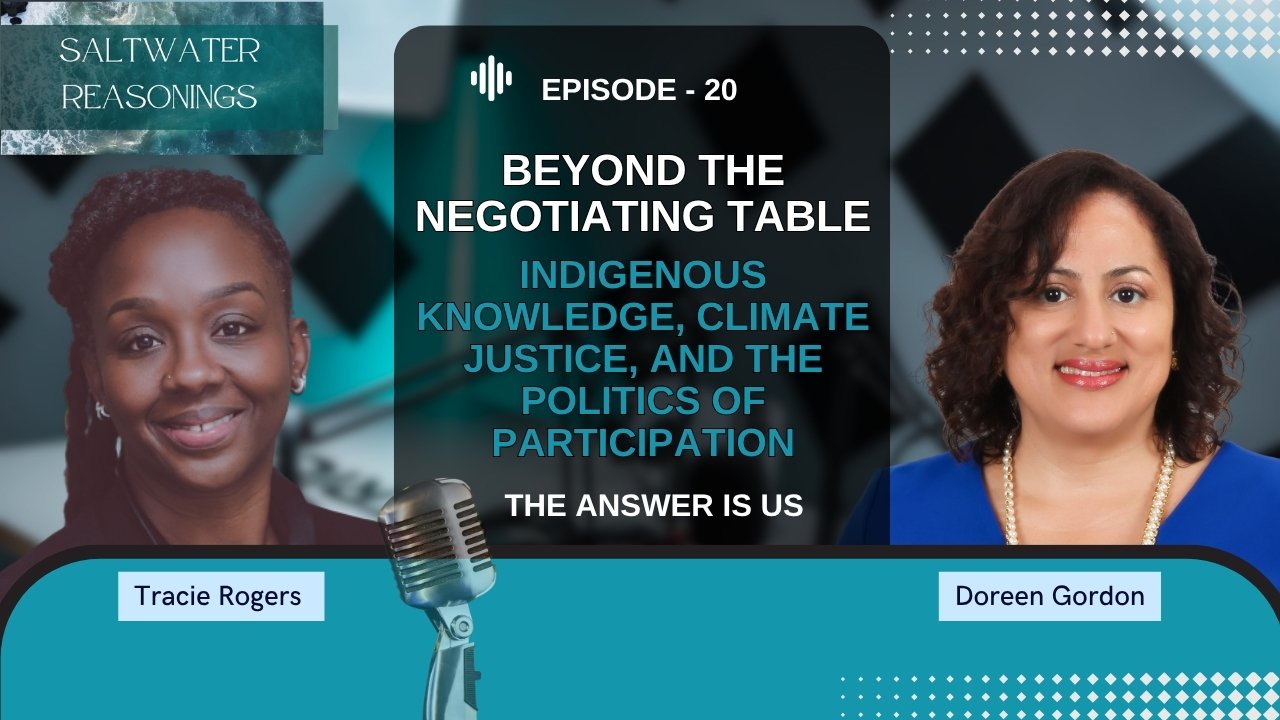
Beyond the Negotiating Table: Indigenous Knowledge, Climate Justice, and the Politics of Participation
Anthropologist Doreen Gordon reflects on her experiences at COP30 in Belém, Brazil, and what the gathering revealed about Indigenous visibility, decision-making power, and the future of climate justice. This reasoning moves from the global negotiating table to the intimate and ancestral dimensions of climate loss, asking what becomes possible when Indigenous and Maroon knowledge, youth leadership, art, memory, and collective responsibility shape our climate futures.
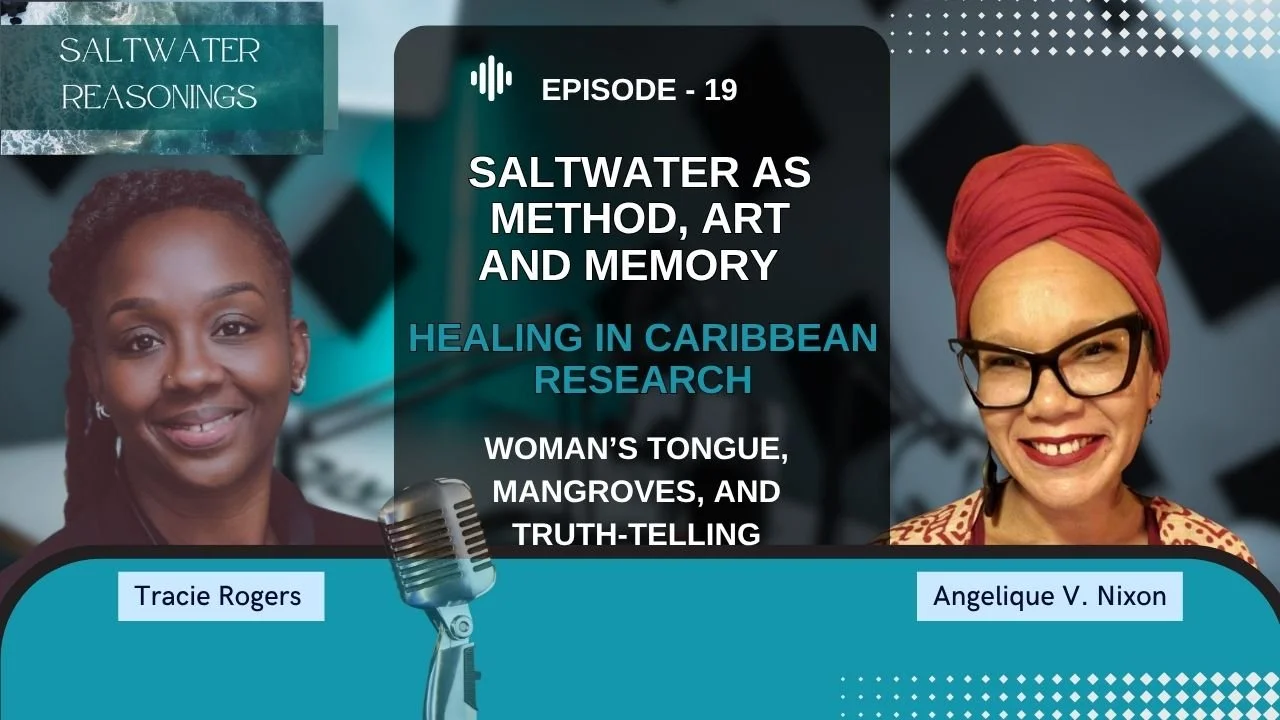
Saltwater as Method, Art and Memory: Healing in Caribbean Research, Woman’s Tongue, Mangroves, and Truth-Telling
In this episode, Tracie Rogers speaks with Angelique V. Nixon about saltwater as method, art and memory in Caribbean research, Woman’s Tongue, mangroves, ancestral presence, and truth-telling. Together, they reflect on Saltwater Healing, myth memoir, Black Caribbean women’s stories, and the embodied archives we carry when formal records cannot hold the fullness of our lives.
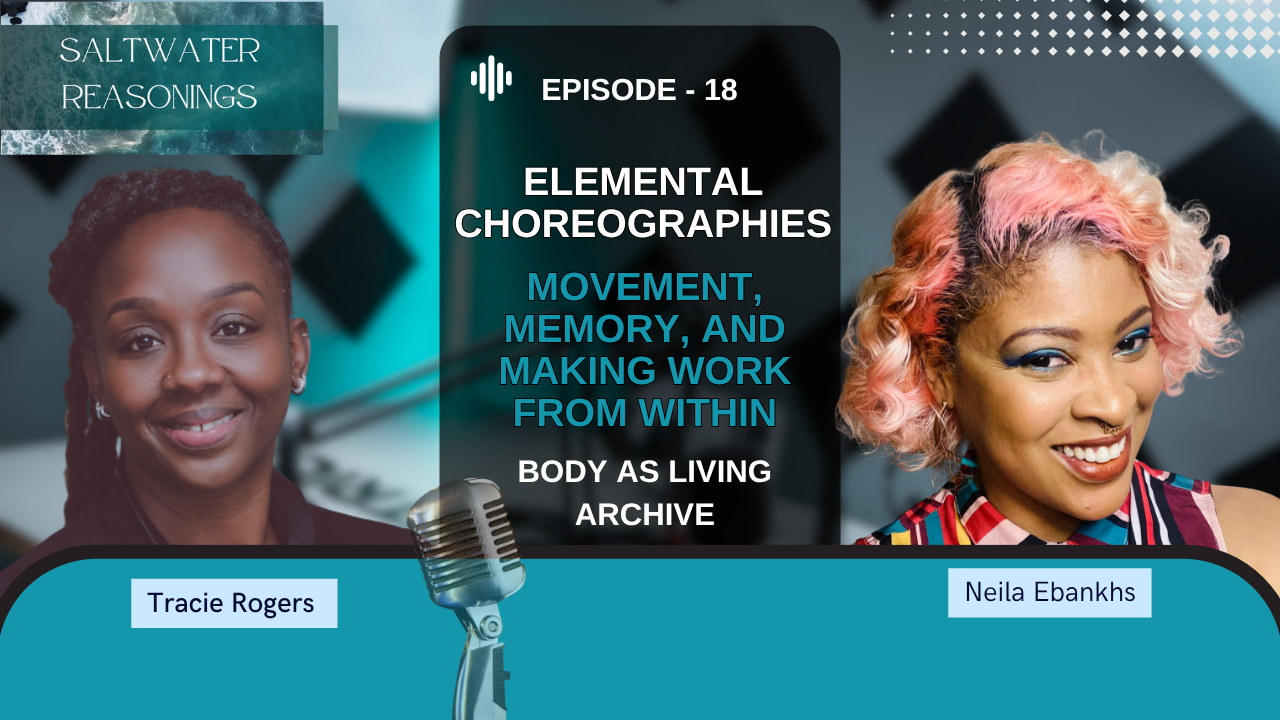
Elemental Choreographies: Movement, Memory, and Making Work from Within
Neila Ebankhs reflects on movement as companion, language, archive, and inquiry. This conversation moves through childhood memory, choreography, grief, the body-mind-spirit braid, Caribbean and diasporic movement traditions, and the ancestral intelligence carried in the body.
At its centre, the episode asks what becomes possible when we trust the body as archive, choreography as knowledge, and refusal as a way of imagining futures beyond what we are told is inevitable.
Becoming Mi Djab La: Story, Spirit, and St Lucian Masquerade
Centred on the emergence of the She-Jab — a female Djab character created in response to the silencing of women within traditional masquerade spaces — the episode moves through questions of womanhood, performance, rebellion, spirituality, and Caribbean cultural inheritance. From Djab Molassi traditions and fire-blowing rituals to theatre, youth engagement, and the future of St Lucian mas, this conversation offers a powerful reflection on how culture evolves across generations while remaining deeply rooted in history.
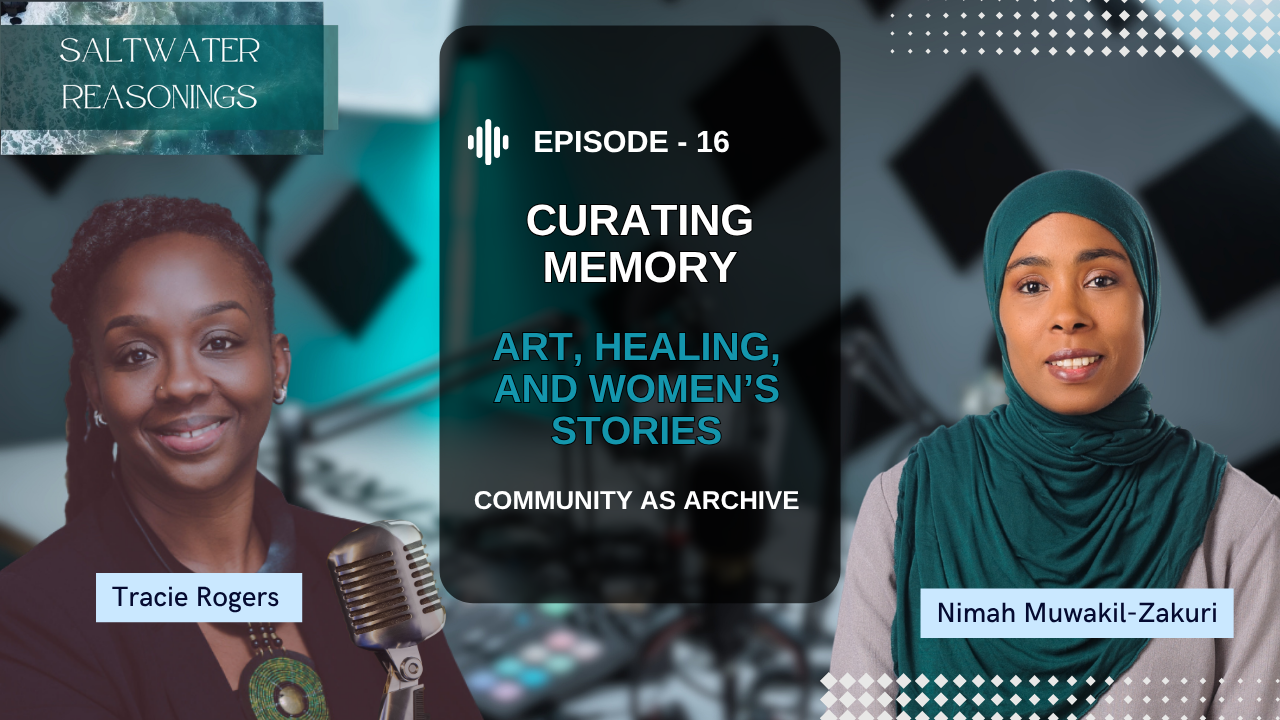
Curating Memory: Art, Healing, and Women’s Stories
Nimah Muwakil-Zakuri explores the deep connections between art, memory, community, and curation. She shares her journey from childhood resourcefulness to becoming a prominent curator and artist, emphasising the importance of care, representation, and community archives in shaping cultural identity.
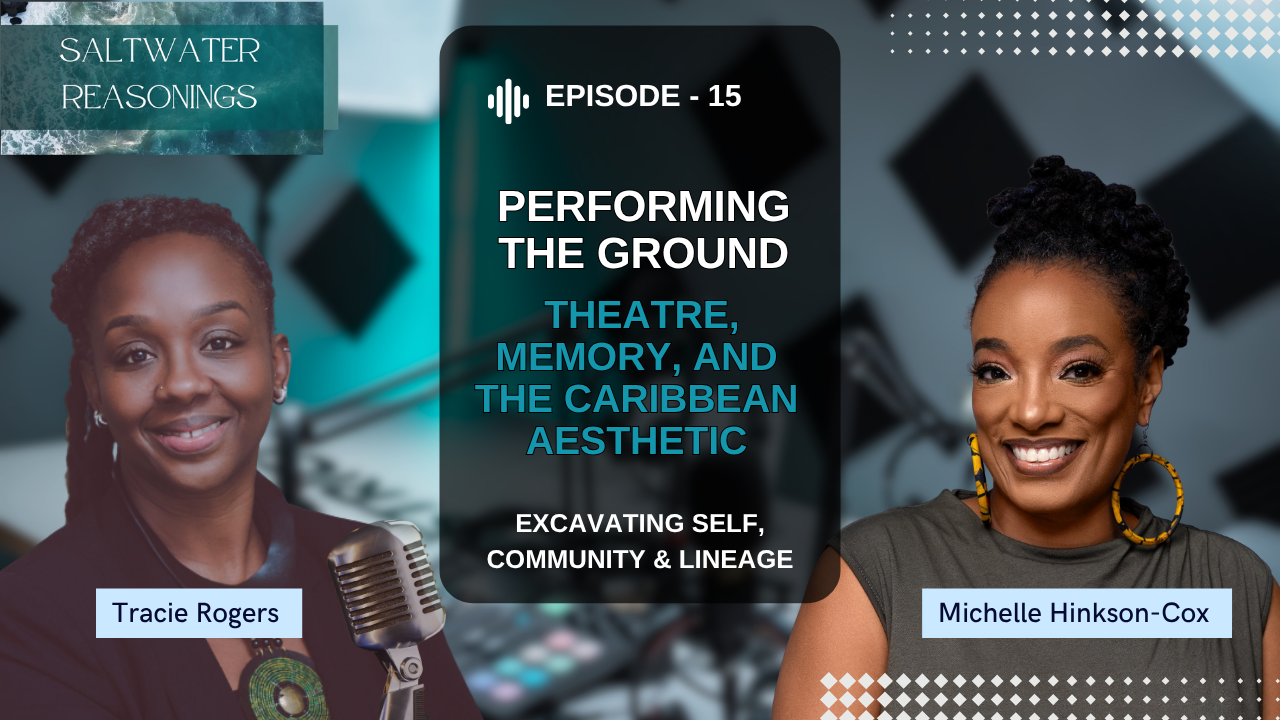
Performing the Ground: Theatre, Memory, and the Caribbean Aesthetic
Michelle Hinkson-Cox begins shares how she came to understand theatre not only as performance, but as a practice of excavation, a way of uncovering histories, tracing memory, and engaging the Caribbean as a living archive. She speaks to the tension of carrying a legacy while insisting on making her own path, and the quiet, deliberate work of building a practice that is both grounded and self-defined.
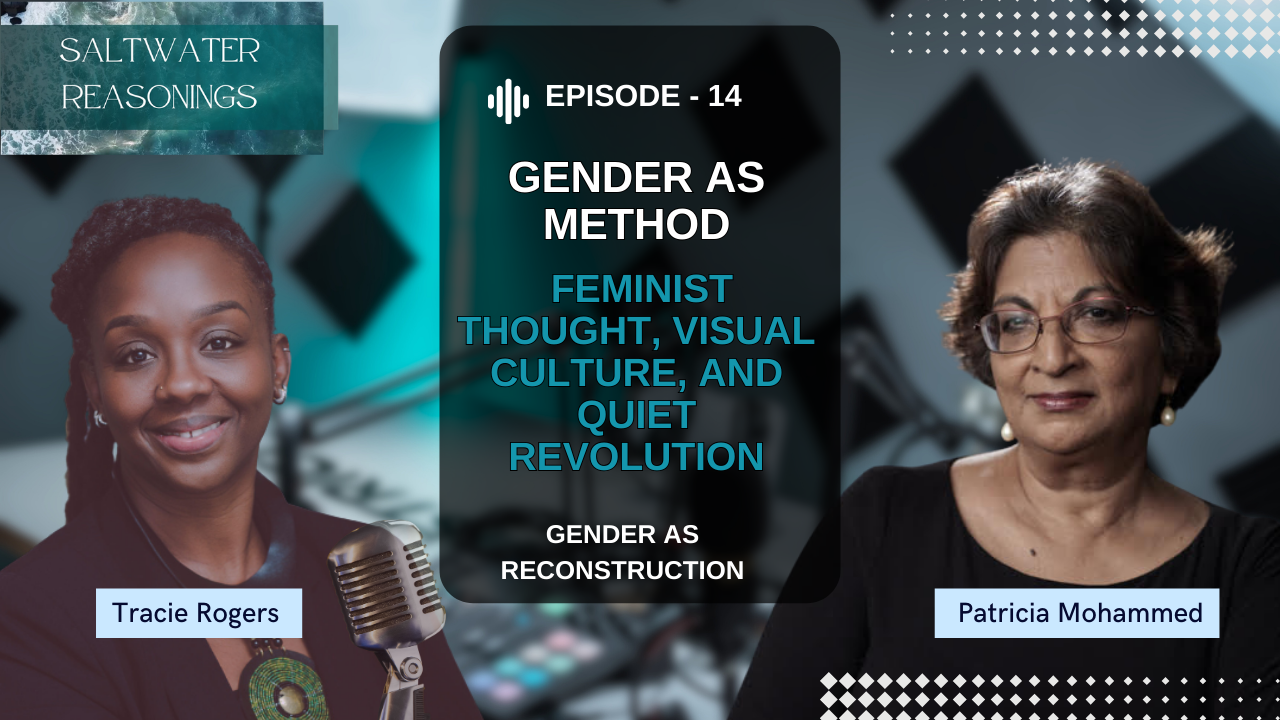
Gender as Method: Feminist Thought, Visual Culture, and Quiet Revolution
Professor Patricia Mohammed joins Tracie Rogers for a wide-ranging conversation on Caribbean feminist thought, gender studies, visual culture, and the quiet revolution of reconstructing knowledge. At its core, the conversation asks what it means to treat gender not simply as identity, but as method, critique, and ongoing transformation.
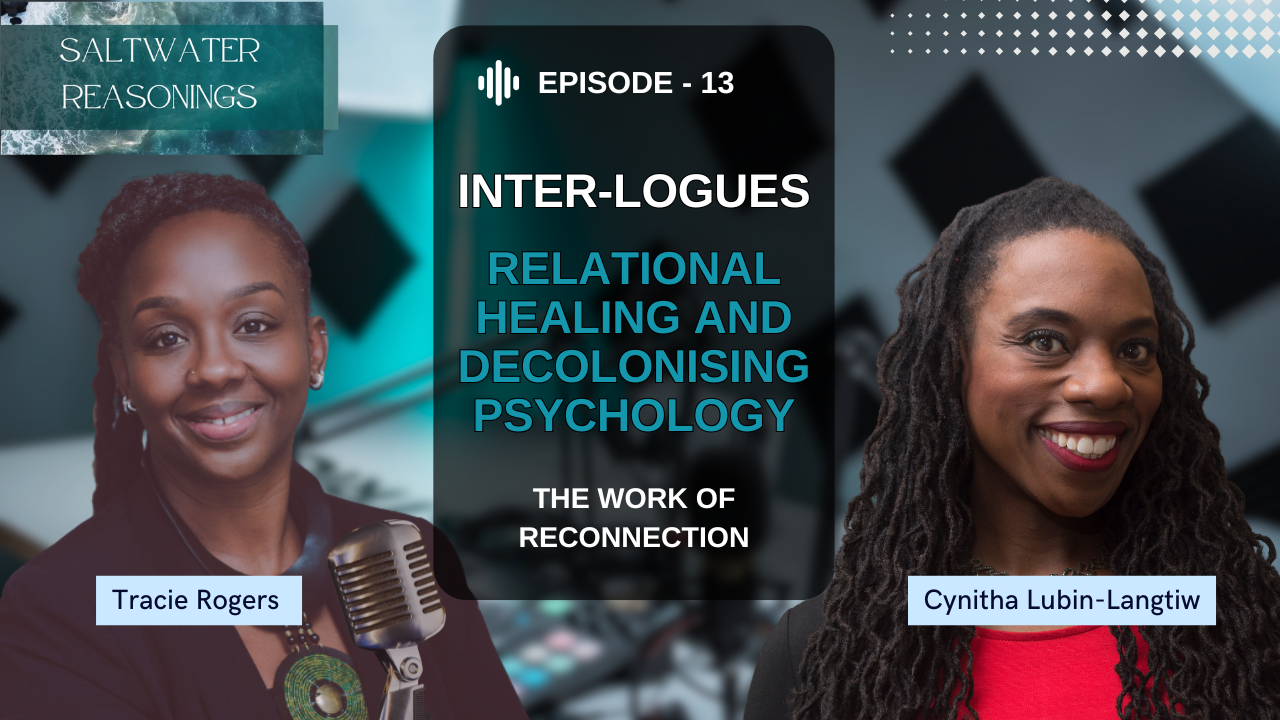
Inter-logues: and Relational Healing, Decolonising Psychology, and the Work of Reconnection
In this episode of Saltwater Reasonings, Tracie Rogers speaks with clinical and community psychologist Cynthia Lubin Langtiw about Inter-logues: a framework that makes visible the researcher’s transformation through qualitative inquiry. Together they explore embodied knowing, Haitian cultural lineages of relationality, and why “making peace with the shaky places” is both a methodological and decolonial practice.
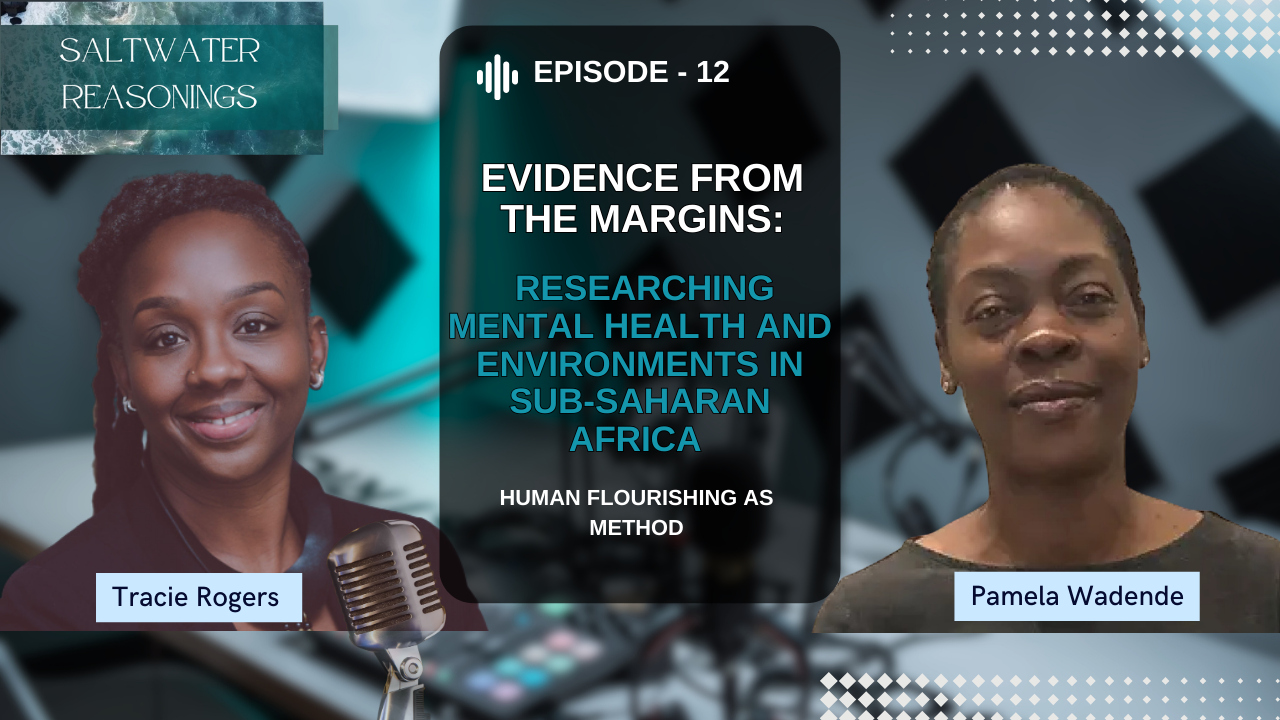
Evidence from the Margins: Researching Mental Health and Environments in Sub-Saharan Africa
In this episode of Saltwater Reasonings, Tracie Rogers is in conversation with developmental psychologist Pamela Wadende of Kisii University, Kenya. Connected through the Pan-African Mental Health Research Network, they reflect on research as ethical responsibility rather than technical exercise. Pamela traces her journey from classroom teacher to multidisciplinary researcher, showing how curiosity, attentiveness, and respect for community knowledge shape her methodological commitments.
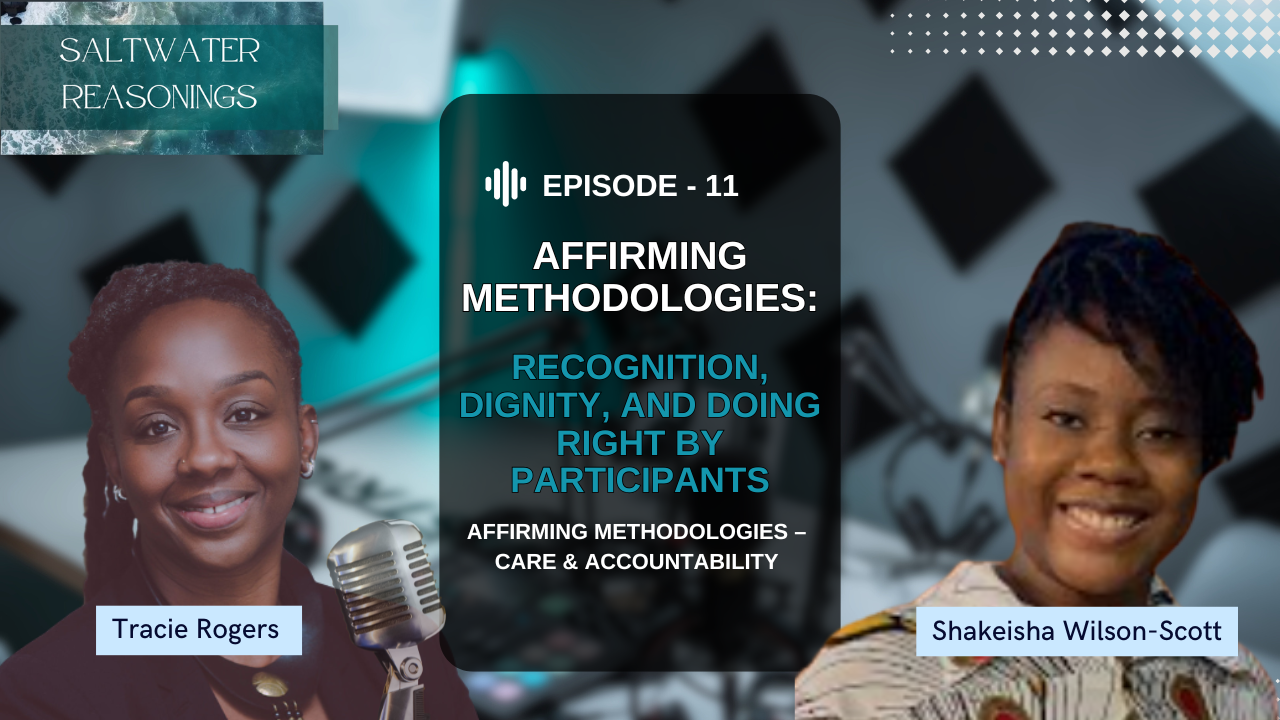
Affirming Methodologies: Recognition, Dignity, and Doing Right by Participants
In this episode of Saltwater Reasonings, Shakeisha Wilson Scott explores affirming methodologies in social work and community-based research, centring dignity, cultural humility, and ethical responsibility. Moving beyond formal ethics approval, she examines what it means to practise an ethics of presence, where language, body, and relationship matter as much as protocol.
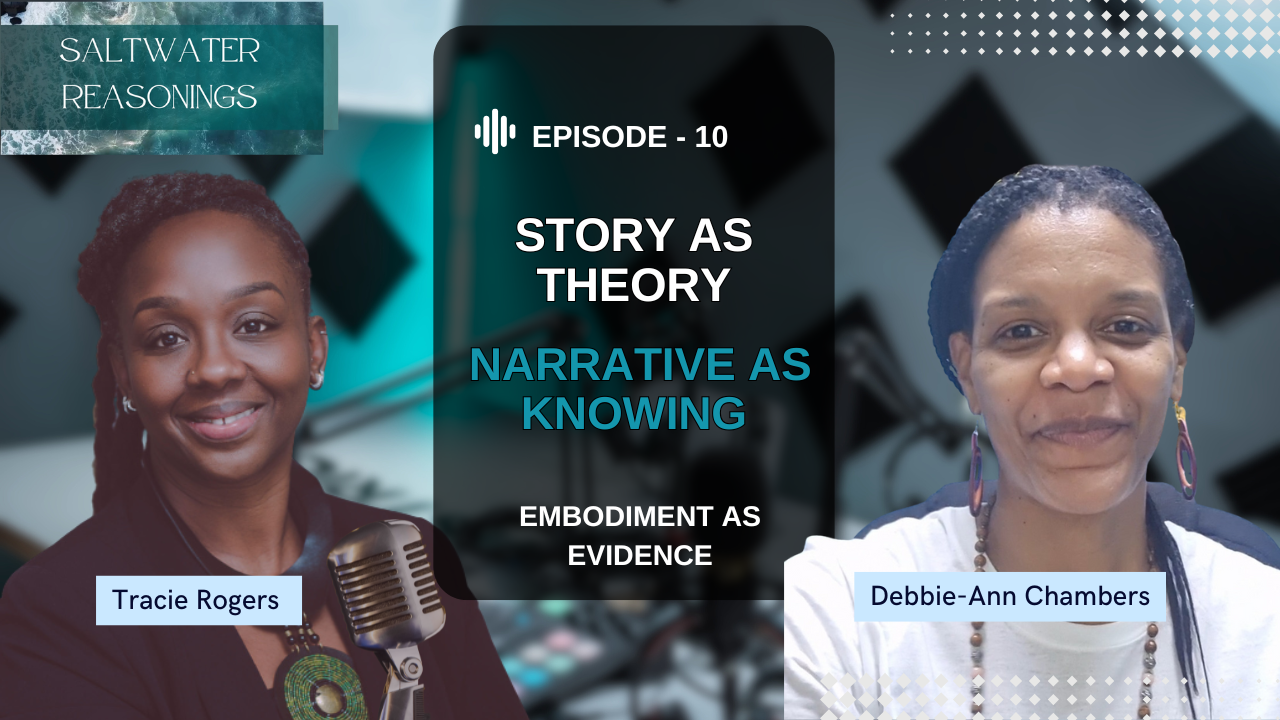
Story as Theory - Narrative as Knowing
In this episode of Saltwater Reasonings, Tracie Rogers is in conversation with Debbie-Ann Chambers of The University of the West Indies, Mona Campus, exploring autoethnography and narrative as Caribbean ways of knowing. The conversation centres vulnerability in research, the ethics of telling personal stories, and the tensions between authority and exposure in narrative inquiry.
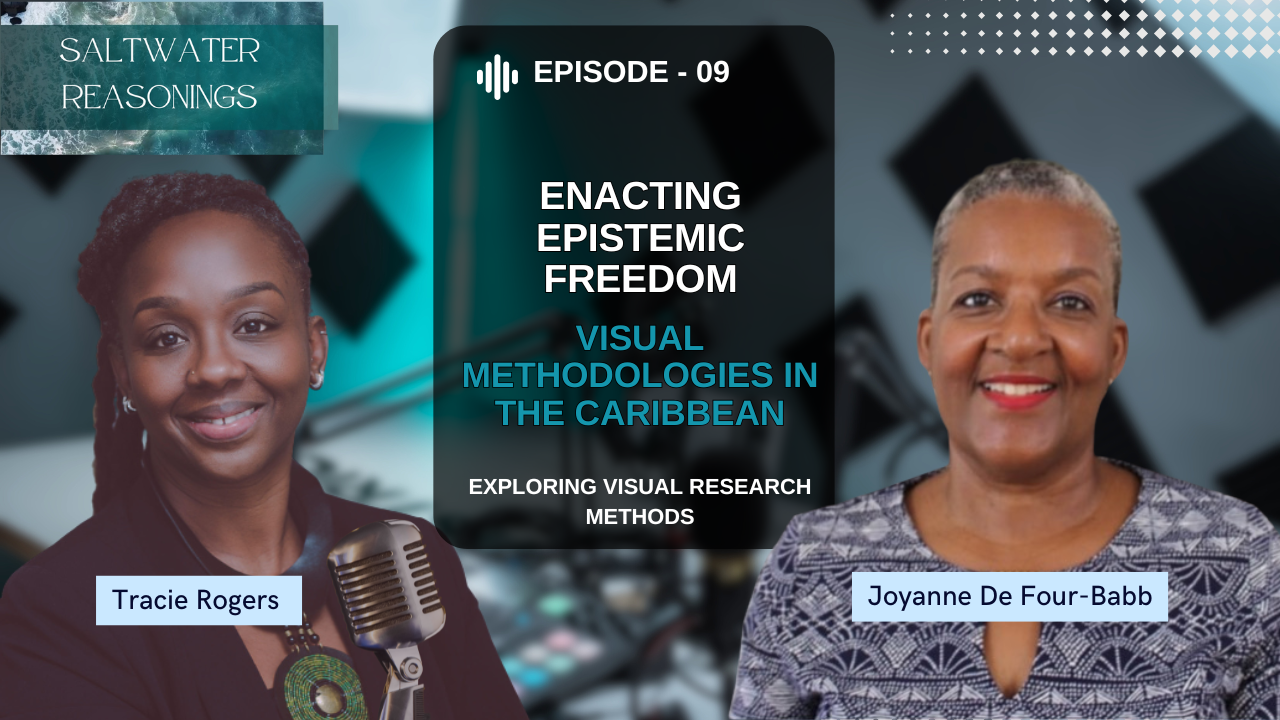
Enacting Epistemic Freedom
This conversation examines visual research methodologies as acts of epistemic freedom. Joyanne De Four-Babb reflects on Caribbean knowledge production, institutional research cultures, and how visual methods allow researchers to see beyond singular narratives of marginalisation.
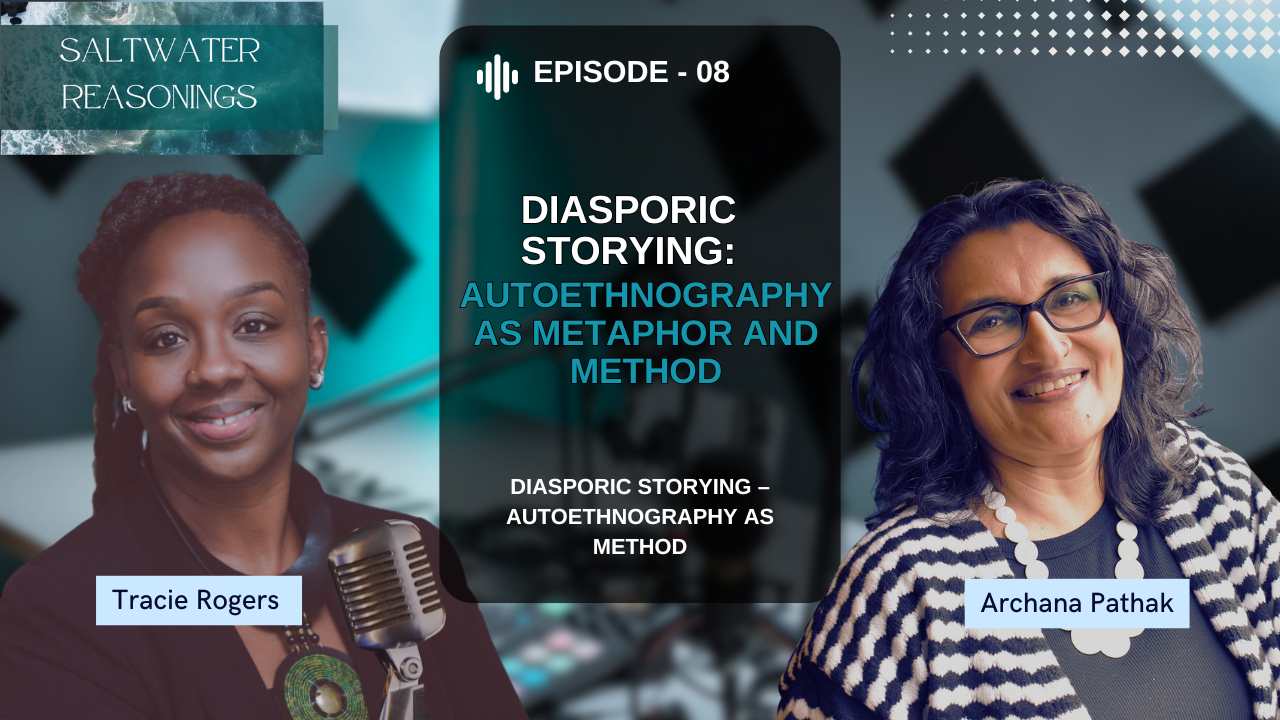
Diasporic Storying – Autoethnography as Method
A reflective conversation with Archana Pathak on diasporic autoethnography as metaphor and method. The episode explores story, theory, and lived experience as relational, liberatory practices, staying with complexity, tension, and unansweredness across diasporic life.
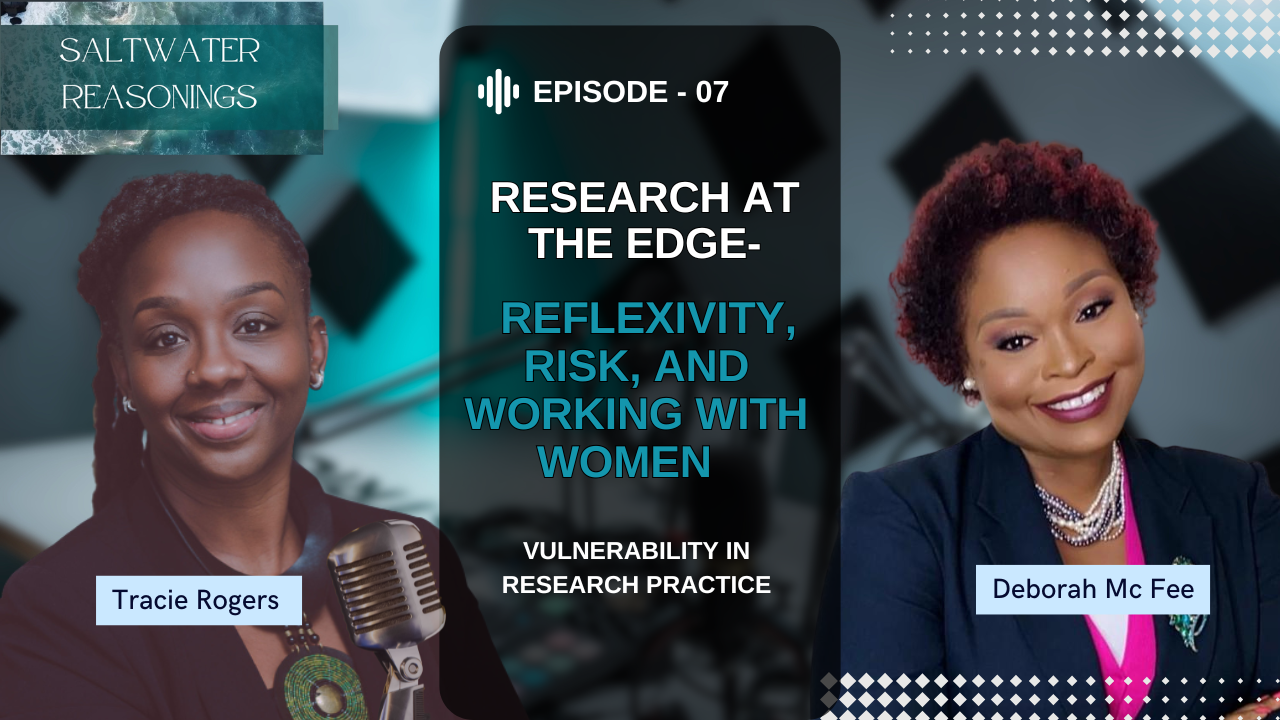
Research at the Edge: Reflexivity, Risk, and Working with Women
In this episode, Deborah McFee and I explore the ethical and emotional complexities of researching violence against women in Caribbean communities. We discuss reflexivity, positionality, accountability beyond the field, and the moral courage required to work at the edge of trauma, harm, and community advocacy.
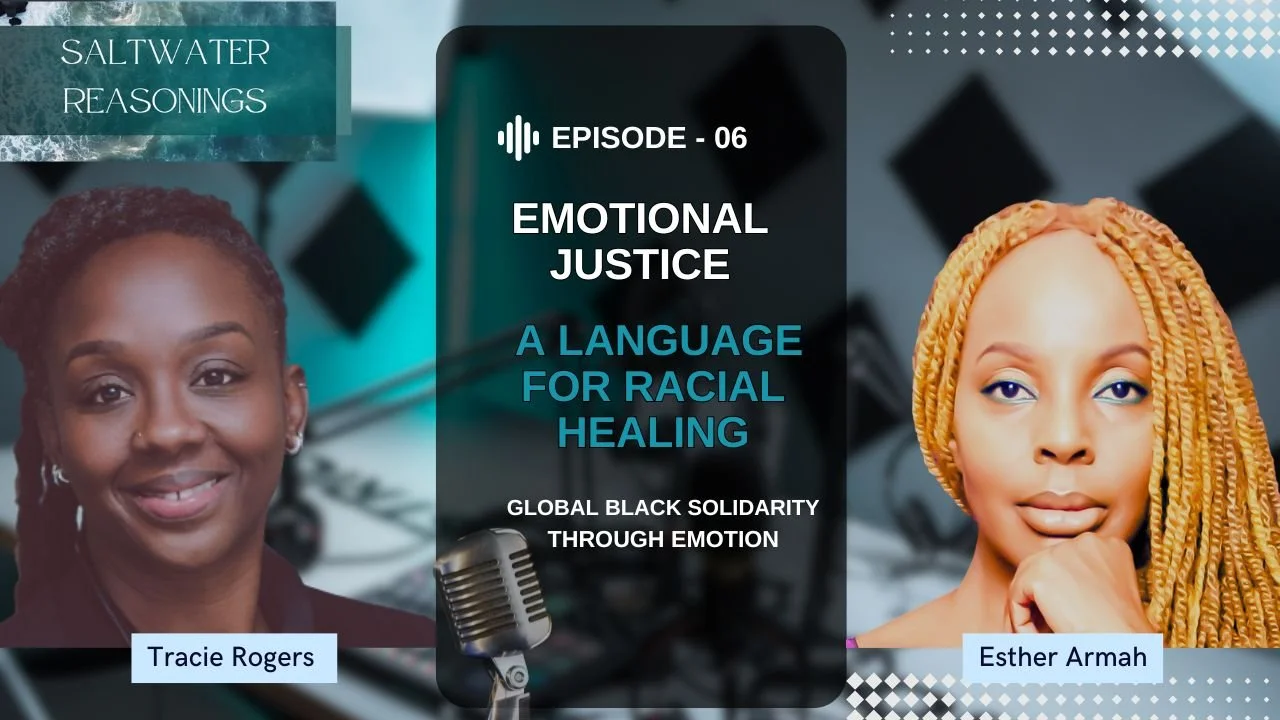
Emotional Justice: A Language for Racial Healing and Global Black Solidarity
Esther Armah and I explore Emotional Justice as a transformational framework for healing the emotional legacies of colonialism, patriarchy, and anti-Blackness. We reflect on emotionality as political, the cultural labour Black women carry, and the possibilities that emerge when we centre repair, accountability, and global Black love.

Mas and Memory: Performing Self and Diasporic Art-making
A conversation with Adeola Dewis on mas, memory, migration, and how Carnival performance becomes method, healing, and self-representation across displacement.

Mapping Memory & Grief – collective mourning as method
In this episode, Zaira Simone and I explore how memory becomes a form of resistance and how grief—personal, ancestral, and collective—functions as a methodology of care. We reflect on remembrance as practice, refusal, and political intimacy, and consider what it means to grieve together, honour lineage, and carry memory as a form of healing.
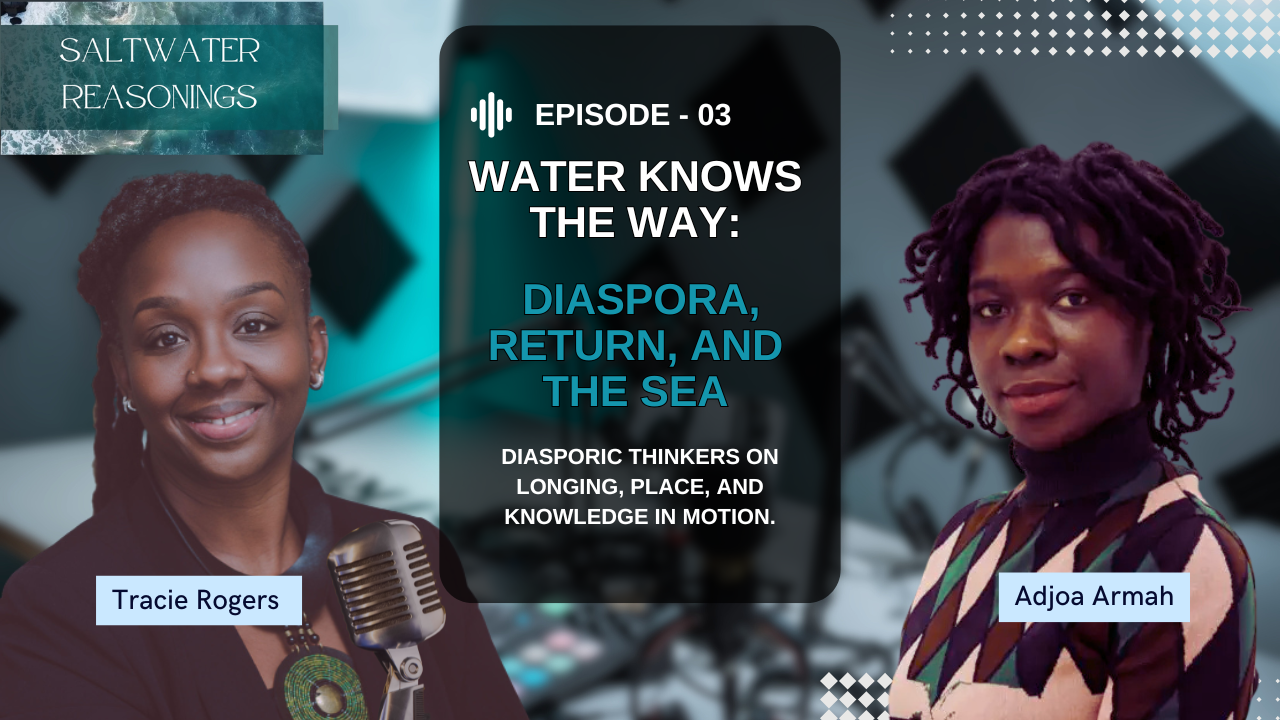
Water Knows the Way: Diaspora, Return and the Sea
In this episode of Saltwater Reasonings, I am in conversation with Adjoa Armah, artist, writer, and researcher whose work moves between Ghana, UK, and the wider diaspora. We speak about water, as body, boundary, and bridge, and how the sea holds memory for those of us whose histories are shaped by movement, rupture, and return.

Liming, Ole Talk, and the Politics of Listening
In this episode, Professor Camille Nakhid joins Saltwater Reasonings to explore liming, ole talk, and the politics of listening—unpacking how Caribbean ways of knowing shape resistance, relation, and care across the diaspora.

Reasoning as Method: Caribbean Epistemologies in Practice
In this opening episode of Saltwater Reasonings, I sit with Yentyl Williams to explore how Caribbean traditions of reasoning shape our approach to knowledge, scholarship, and activism. We speak about Frantz Fanon, collective responsibility, and the marks our generation must choose to leave on the world.